Watching Brief on Re-Emerging Disease
March 16, 2026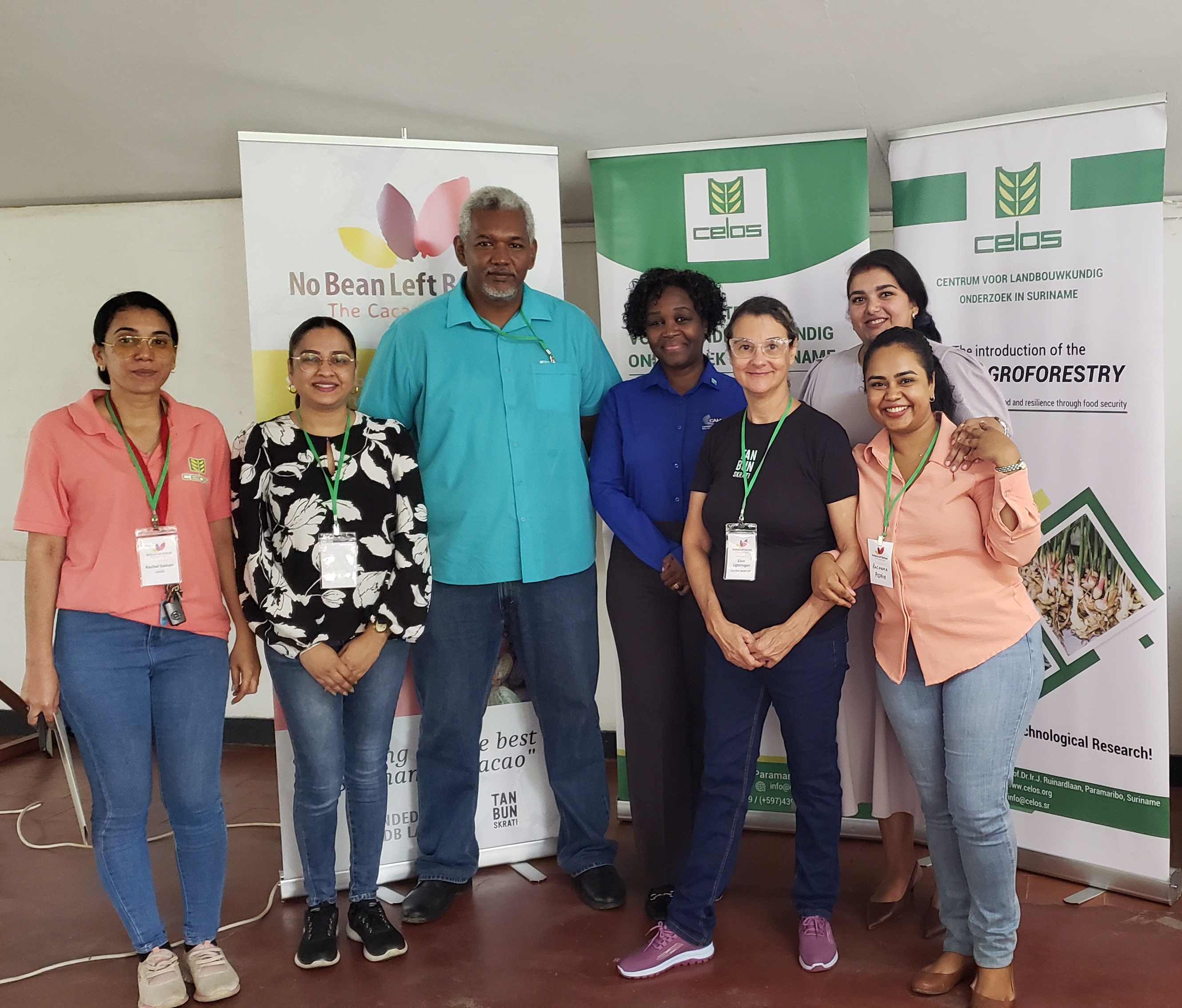
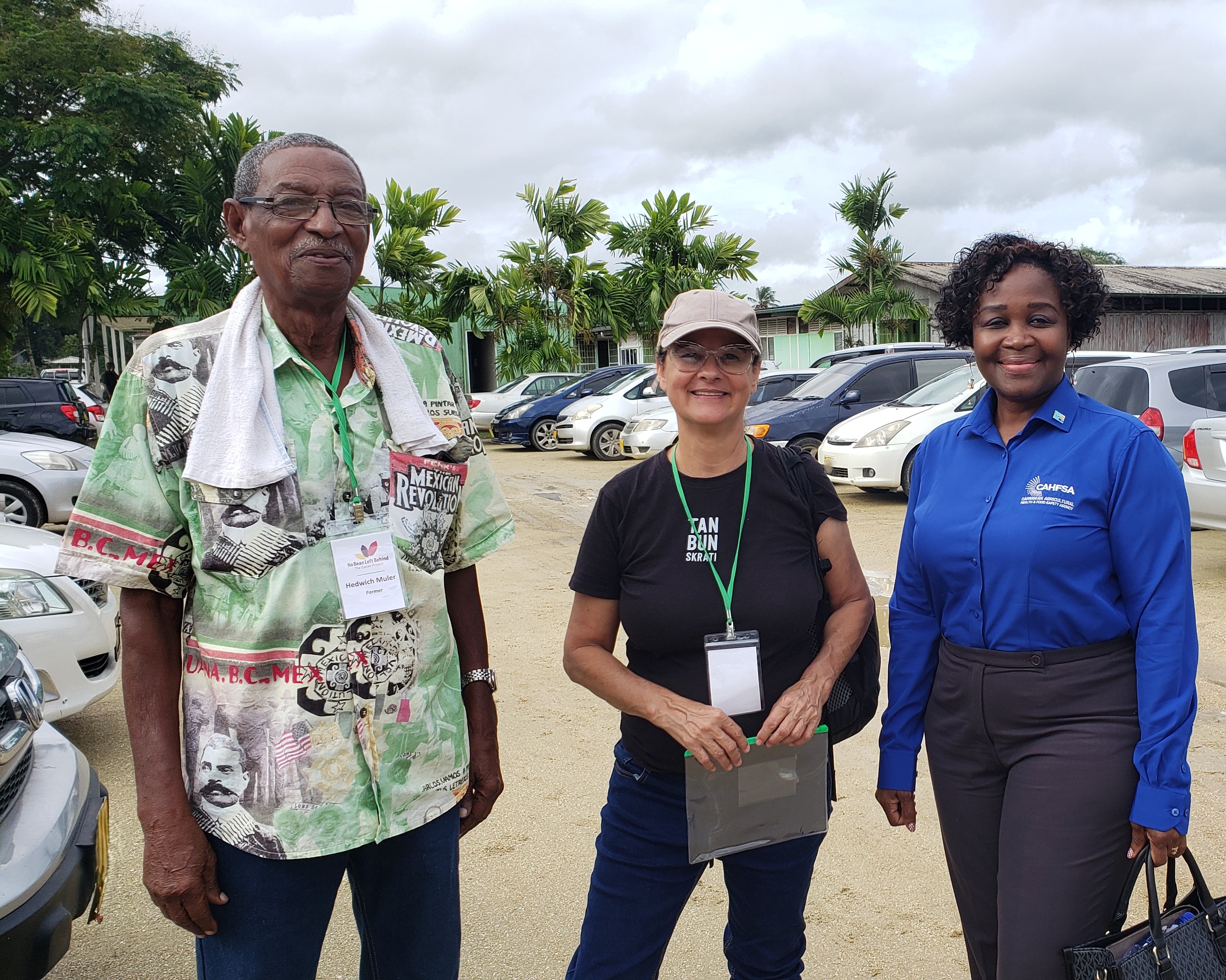 From March 16–18, 2026, a comprehensive Good Agricultural Practices (GAP) training for cacao producers was successfully conducted at the Centre for Agricultural Research in Suriname (CELOS) and in Saramacca, Suriname. This initiative was organized under the “No Bean Left Behind” project, funded by the Inter-American Development Bank (IDB), in collaboration with Tan Bun Skrati NV, a Surinamese chocolate company, and CELOS.
CELOS is affiliated with the Anton de Kom University of Suriname, plays a key role in advancing sustainable agriculture, forestry, and natural resource management. Through applied research, training, and collaboration with national and international partners, CELOS supports innovation and capacity building within Suriname’s agricultural sector, making it a fitting host for this initiative.
The training brought together cacao farmers and stakeholders to strengthen their knowledge and practical skills in sustainable cacao production. Over the first two days at CELOS, participants were introduced to key topics including farm setup and management according to GAP, agroforestry systems, soil management, and the use of fertilizers and soil amendments, with a strong emphasis on improving productivity while maintaining environmental sustainability.
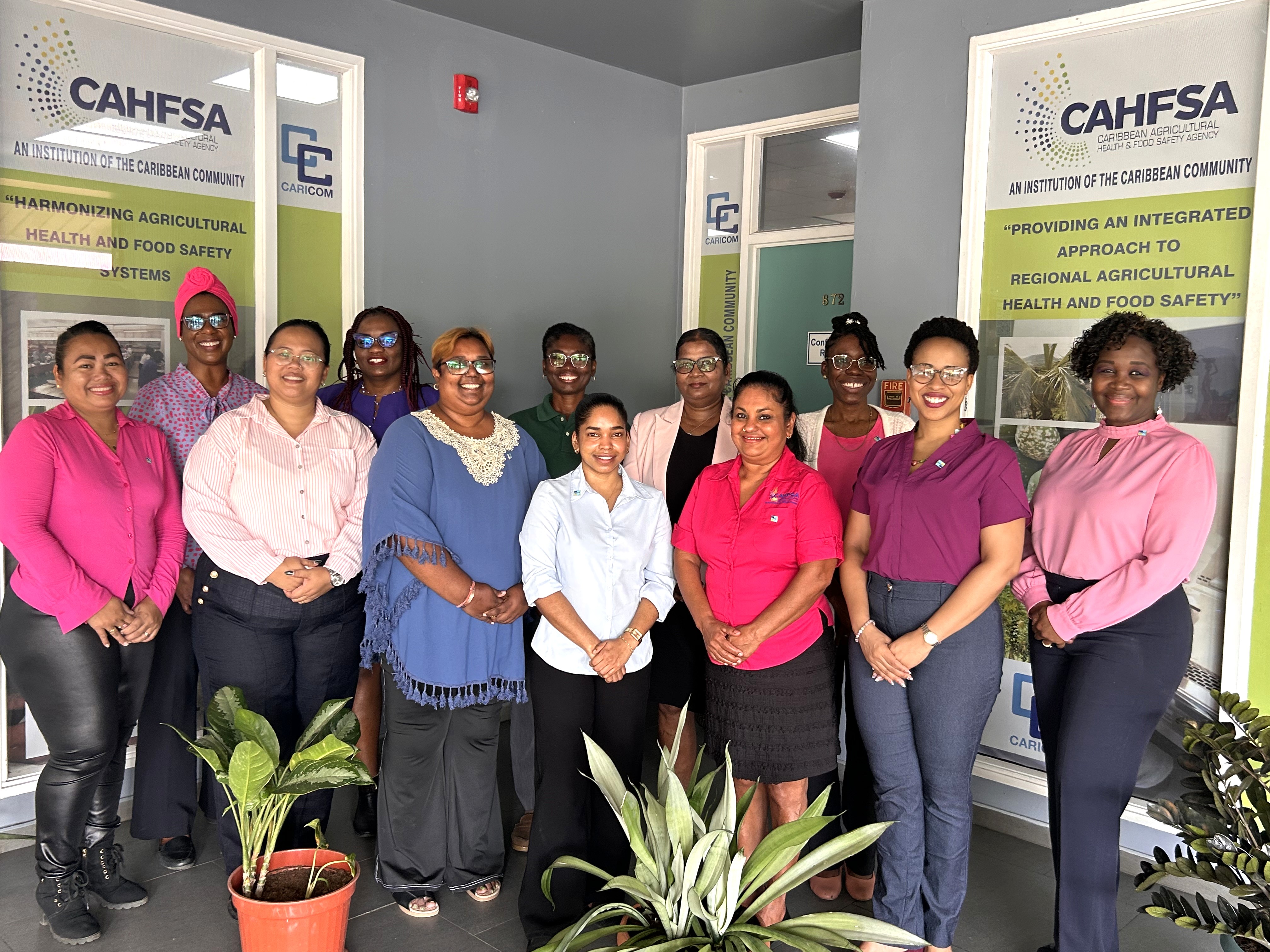
The Caribbean Agricultural Health and Food Safety Agency (CAHFSA) was invited to participate in the first day of the training. During this session, Mrs. Janelle Yarde-Blackman Food Safety Specialist, provided valuable technical input by offering GAP-related guidance and recommendations to the trainer, supporting the delivery of the training to ensure alignment with best practices and food safety considerations.
On the second day, sessions focused on planting material and cultivation techniques, harvest procedures, and pest and disease management using Integrated Pest Management (IPM) principles, ensuring participants gained a well-rounded understanding of the full cacao production cycle.
The final day in Saramacca provided a hands-on, field-based learning experience, where participants engaged in post-harvest handling, field observation, and monitoring practices. This practical component reinforced the theoretical knowledge shared during the previous sessions.
This collaboration highlights the importance of public-private partnerships in advancing agricultural capacity in Suriname. By equipping farmers with the necessary tools and knowledge, the initiative contributes to improving cacao quality, sustainability, and market readiness, ultimately strengthening the local value chain.
The engagement also provided a valuable opportunity to connect with stakeholders and explore future collaborations aimed at supporting the agricultural sector.
For more information, visit: www.cahfsa.org